


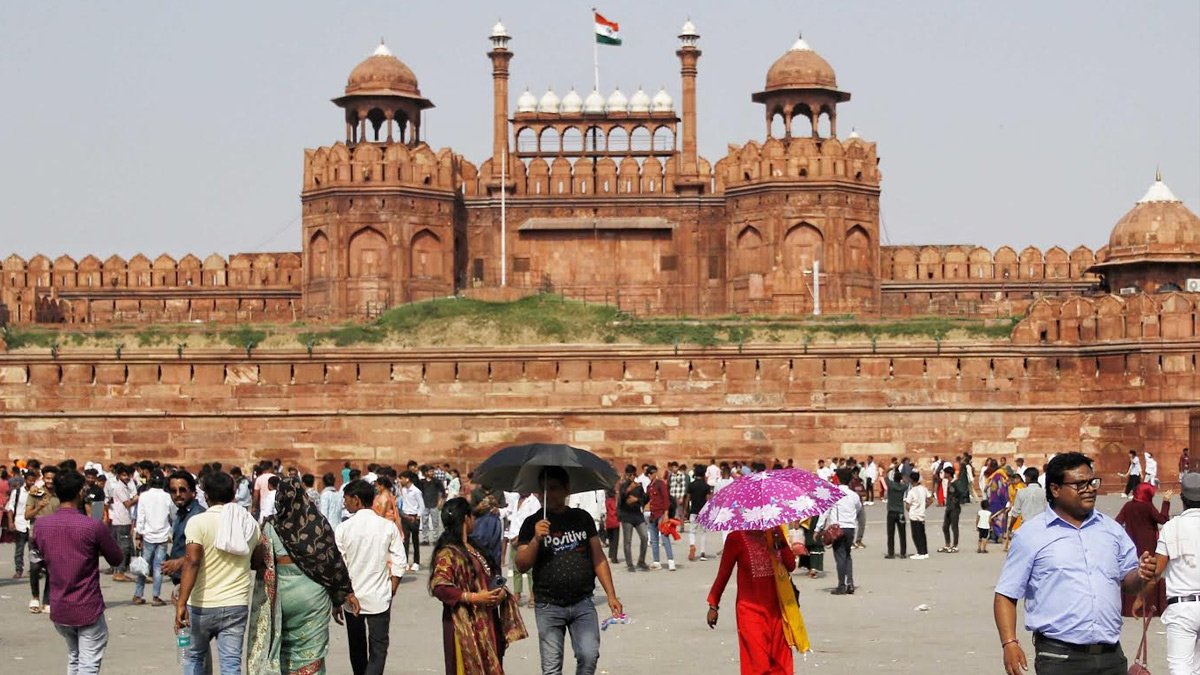
MUMBAI: The heat is on, and this time a distant ocean giant is turning up the dial on India’s already blistering summer. As temperatures soar across the subcontinent in April 2026, India finds itself dominating global heat charts in an unwelcome way. Real-time data shows that 49 of the world’s 50 hottest cities are currently in India, with places in Odisha, Bihar, Uttar Pradesh, and West Bengal frequently topping the list at 44°C or more. From Balangir and Talcher in Odisha hitting 44°C to multiple spots in the Indo-Gangetic plains and central India crossing 40–46°C, the country has become a literal hotbox. This isn’t just a passing heatwave; scientists point to a brewing climate pattern in the Pacific Ocean as a key culprit amplifying these extremes.
What exactly is El Niño?
Imagine the equatorial Pacific as a giant bathtub. Normally, strong easterly trade winds push warm surface water westward towards Indonesia and Australia, while cooler water wells up off the coasts of Peru and Ecuador. This keeps the eastern Pacific relatively chilly and helps drive global weather patterns, including India’s life-giving southwest monsoon.
El Niño flips the script. Every few years (typically every 2–7 years), those trade winds weaken or even reverse. Warm water sloshes back eastward, spreading across the central and eastern tropical Pacific. Sea surface temperatures rise by at least 0.5°C above normal for several months sometimes much more in strong events. The Spanish name “El Niño” (meaning “the little boy” or “Christ child”) comes from its tendency to appear around Christmas.
This isn’t just a local ocean hiccup. The warmer waters heat the air above them, shifting atmospheric circulation patterns worldwide—a domino effect known as the El Niño-Southern Oscillation (ENSO). The opposite phase, La Niña, brings cooler Pacific waters and often stronger monsoons for India.
Why El Niño spells trouble for India
When El Niño takes hold, it tends to suppress rainfall over India while cranking up the heat. The weakened trade winds disrupt the normal flow of moisture-laden winds towards the Indian subcontinent. As a result:
- The southwest monsoon (June–September), which delivers about 70–80 per cent of India’s annual rainfall, often arrives late or brings below-average rain.
- Pre-monsoon months (March–May) see heightened chances of prolonged heatwaves, as drier conditions and altered pressure systems allow land surfaces to bake under intense sunlight.
- Higher global temperatures during strong El Niño events add an extra layer of warmth.
Forecasters from the World Meteorological Organisation (WMO) and India’s own agencies note early signals of El Niño conditions possibly emerging between May and July 2026, with a chance it strengthens later in the year. Some models even hint at a potent “Super” or “Mega” El Niño, which could push global temperatures higher and worsen regional extremes. Historically, many of India’s severe droughts and intense heat spells have coincided with El Niño years.
In 2026, this Pacific warmth is layering onto an already warming planet, turning up the thermostat. The India Meteorological Department has already flagged above-normal temperatures and more heatwave days, especially in eastern, central, and peninsular regions. Reduced rainfall risks water shortages, stressed crops, and higher food prices, hitting farmers and rural economies hardest.
From ocean anomaly to street-level scorch
The numbers paint a stark picture. In recent days, cities in Bihar (Bhagalpur), Odisha (Talcher), and West Bengal (Asansol) have led global temperature rankings at 44°C, with dozens more in Uttar Pradesh, Madhya Pradesh, Maharashtra, and beyond not far behind. India has accounted for 95 of the world’s 100 hottest cities at the peak of this surge, underscoring how the combination of El Niño-driven patterns and local factors urban heat islands and dry soils creates a perfect storm.
This heat isn’t merely uncomfortable; it strains power grids with soaring air-conditioning demand, threatens public health (especially for the elderly, outdoor workers, and children), and raises the risk of heat-related illnesses. Prolonged exposure above 40°C can impair productivity, affect livestock, and disrupt ecosystems.
Looking ahead: preparation over panic
While El Niño events eventually fade (often giving way to La Niña), the 2026 outlook calls for vigilance. A weaker monsoon could extend dry spells into autumn, while early heatwaves test resilience now.
Experts urge practical steps such as staying hydrated, avoiding peak sun hours, protecting vulnerable groups, and conserving water. On a larger scale, better early-warning systems, heat action plans, and long-term climate adaptation including sustainable farming and urban cooling will be crucial.
El Niño is a natural cycle, but in a warming world its impacts often hit harder. As the Pacific warms and India swelters, this year’s scorching start is a vivid reminder of how interconnected the planet’s climate really is and why getting ready for the heat is not just a slogan, but a necessity.
The coming months will reveal just how strong this El Niño becomes. One thing, however, is already clear, when the ocean turns up the heat, much of the world feels the burn.