
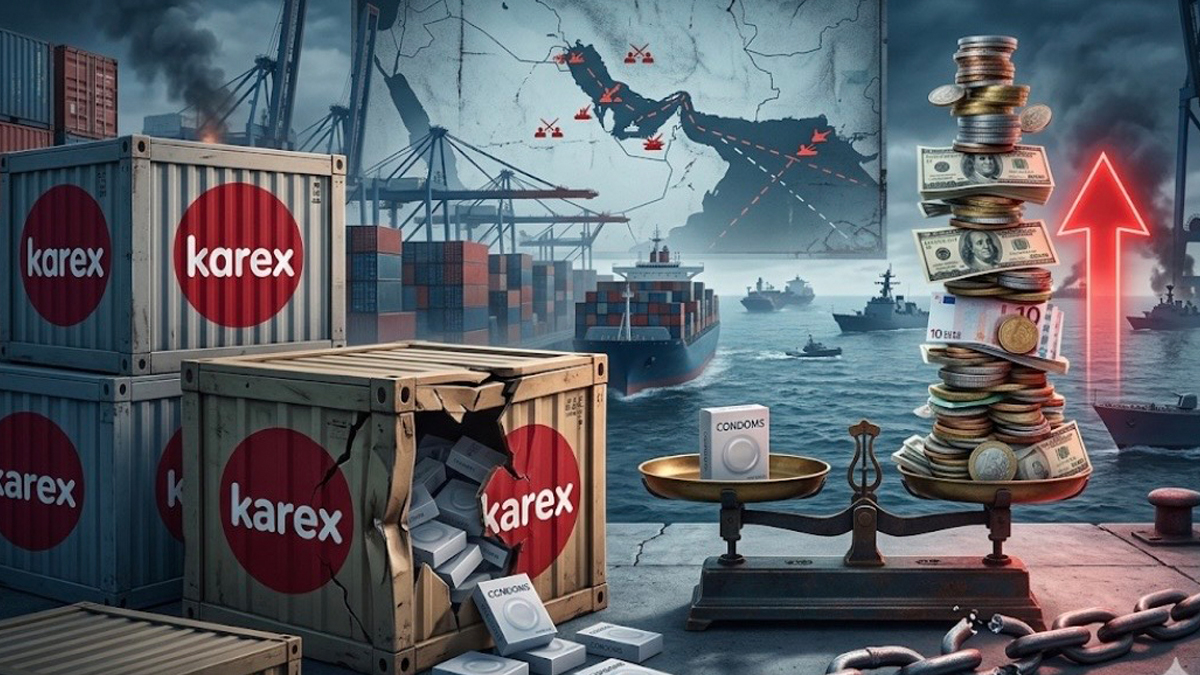
KUALA LUMPUR: Malaysia-based Karex Bhd, the world’s largest condom producer, plans to raise prices by 20 per cent to 30 per cent as global supply chain pressures intensify amid the ongoing Iran war, according to a Reuters report.
The company, which manufactures more than five billion condoms annually, supplies major brands as well as public health systems including the UK’s National Health Service and programmes run by the United Nations.
Speaking to Reuters, Karex Bhd chief executive officer Goh Miah Kiat said the company has little room to absorb rising costs. “The situation is definitely very fragile, prices are expensive. We have no choice but to transfer the costs right now to the customers,” said Karex Bhd chief executive officer Goh Miah Kiat.
The pressure is coming from multiple fronts. Since the conflict began in late February, the cost of key raw materials such as synthetic rubber and nitrile has climbed sharply. Packaging inputs including aluminium foil and silicone oil have also become more expensive, tightening margins across the board.
At the same time, demand is climbing. Karex reports a roughly 30 per cent rise in global demand this year, partly because customers are running low on stock. Shipping delays are adding to the squeeze, with deliveries to Europe and the United States now taking close to two months, double the usual time.
Goh noted that many shipments are stuck at sea while demand continues to build on land. Developing countries are feeling the pinch more acutely, as delayed deliveries mean critical supplies are not reaching them on time.
Another factor behind thinning stockpiles is reduced international funding. Cuts to foreign aid, particularly from the United States Agency for International Development, have limited procurement in several regions, leaving less buffer in the system.
Karex says it has enough supplies for the next few months and is working to ramp up production. However, with energy and petrochemical flows disrupted by the ongoing conflict, the broader outlook remains uncertain.
For now, the message is clear. As costs rise and shipments slow, even everyday essentials are not immune to global tensions, and consumers may soon feel the pinch in unexpected ways.