
MUMBAI: Iran threw a selective lifeline to global energy markets on Thursday, announcing that it would permit passage through the Strait of Hormuz for what it called friendly nations — China, Russia, India, Iraq and Pakistan — even as its war with the United States and Israel grinds on and the waterway remains on a knife’s edge for everyone else.
#Iran FM Abbas #Araghchi: We permitted passage through the Strait of #Hormuz for friendly nations including China, Russia, India, Iraq, and Pakistan. pic.twitter.com/RvLtiwYB4v
— Consulate General of the I.R. Iran in Mumbai (@IRANinMumbai) March 25, 2026
Foreign minister Abbas Araghchi spelt it out bluntly via Iran’s consulate general in Mumbai: “We have permitted passage through the Strait of Hormuz for friendly nations, including China, Russia, India, Iraq, and Pakistan.” The statement, posted on X, landed like a thunderclap in energy markets already rattled by weeks of military escalation in the Middle East.
For India, the announcement could not have come soon enough. New Delhi has quietly purchased its first liquefied petroleum gas cargo from Iran since 2018, according to Bloomberg, a transaction made possible by a 30-day waiver granted by the Donald Trump administration to keep a lid on runaway oil and gas prices. Indian imports from Iran had dried up entirely in 2019 when western sanctions bit hard; the resumption, however tentative, marks a significant shift.
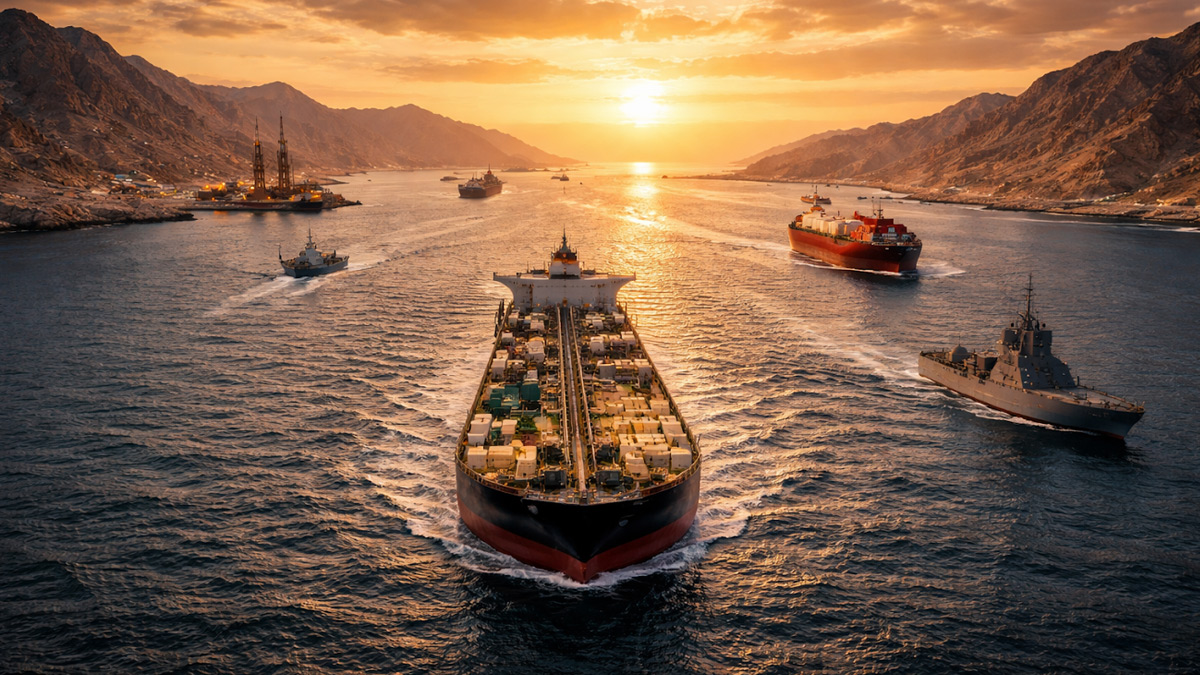
The strait itself, a narrow chokepoint between the Persian Gulf and the Gulf of Oman through which roughly a fifth of the world’s traded oil passes, has become the conflict’s most consequential pressure point. Tehran’s retaliatory strikes against the US-Israel offensive have repeatedly threatened to throttle the waterway, sending shivers through global energy markets and alarm bells ringing at the United Nations.
UN secretary-general António Guterres did not mince words. “The prolonged closure of the Strait of Hormuz is choking the movement of oil, gas, and fertiliser at a critical moment in the global planting season,” he wrote on X. “Across the region and beyond, civilians are enduring serious harm and living under profound insecurity.” His prescription was unambiguous: end the war immediately.
The conflict in the Middle East has gone too far.
— António Guterres (@antonioguterres) March 25, 2026
My message to the US & Israel is that it’s high time to end the war – as human suffering deepens, civilian casualties mount & the global economic impact is increasingly devastating.
My message to Iran is to stop attacking their…
Guterres directed his appeal at both sides. His message to Washington and Tel Aviv was that it was “high time to end the war” as human suffering deepens, civilian casualties mount and the global economic damage becomes increasingly devastating. To Tehran, he said simply: stop attacking neighbours that are not parties to the conflict.
Iran’s carve-out for friendly nations may ease the immediate pressure on Asian importers. But for western powers, the very countries that imposed the sanctions that shut Iran out of global markets in the first place, the strait remains as volatile and as threatening as ever. A waterway that the world cannot afford to lose is now one that Tehran controls, parcels out selectively, and can choke off again at will. That is the uncomfortable reality no 30-day waiver can fix.