
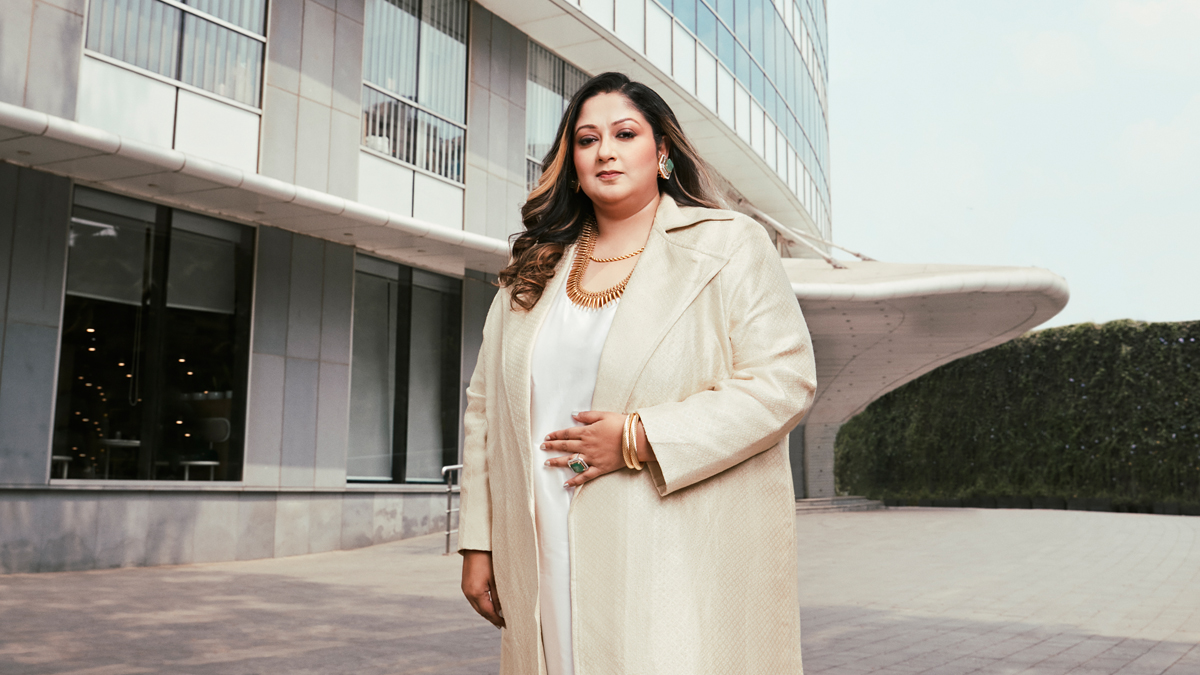
MUMBAI: Family-run conglomerates in India do not, as a rule, hand over the chief executive’s chair lightly, and when they do, it tends to say a great deal about the person receiving it. K Raheja Group’s decision to appoint Vijayta Raheja as chief executive officer, effective immediately, is precisely that sort of moment: not a surprise elevation but the natural conclusion of 16 years spent earning it.
The arithmetic of her career is worth dwelling on. Raheja spent close to a decade as strategic advisor to the group’s hospitality business, shaping its marketing and brand positioning long before she held an operating title. She then became chief operating officer in 2020, a role she has held for nearly six years, during which she is credited with strengthening corporate governance, institutionalising systems and processes, and driving organisational transformation across the group’s businesses. That is not the profile of an executive parachuted in to make a splash. It is the profile of someone who has methodically built the case for the top job from the inside, one function at a time.
What makes the appointment notable beyond the individual is what it signals about institutional maturity at a business built on family legacy. K Raheja Group traces its lineage to 1956, and conglomerates of that vintage often struggle with the handover from founder-driven instinct to professional, process-led leadership. Raheja’s tenure as chief operating officer appears to have been spent doing exactly that work: strengthening legal and governance frameworks, sharpening risk management, and embedding an institutional approach to a business that spans real estate, hospitality, commercial assets and strategic investments. Handing the chief executive role to the person who has already done the unglamorous work of building those systems is, frankly, the sensible outcome.
The reporting structure is telling too. Raheja will continue to report to managing director Nikhil Raheja, a setup that suggests continuity of vision at the top rather than a wholesale changing of the guard. In the promoters’ own words, her combination of strategic thinking and disciplined execution has already shaped the group’s evolution, and her mandate now extends to driving strategic direction, business operations, governance, compliance and organisational transformation across the entire portfolio. That is a wide brief, but it is one built on six years of operational groundwork rather than untested promise.
There is a broader point here for Indian family businesses more generally, many of which are quietly working through their own succession questions as founding generations step back. K Raheja Group’s approach, promoting from within a leader who has already demonstrated governance discipline and operational rigour, offers a fairly persuasive template: legacy preserved, institutional credibility earned, and the next chapter handed to someone who has already proven she can run the business rather than merely inherit it.