
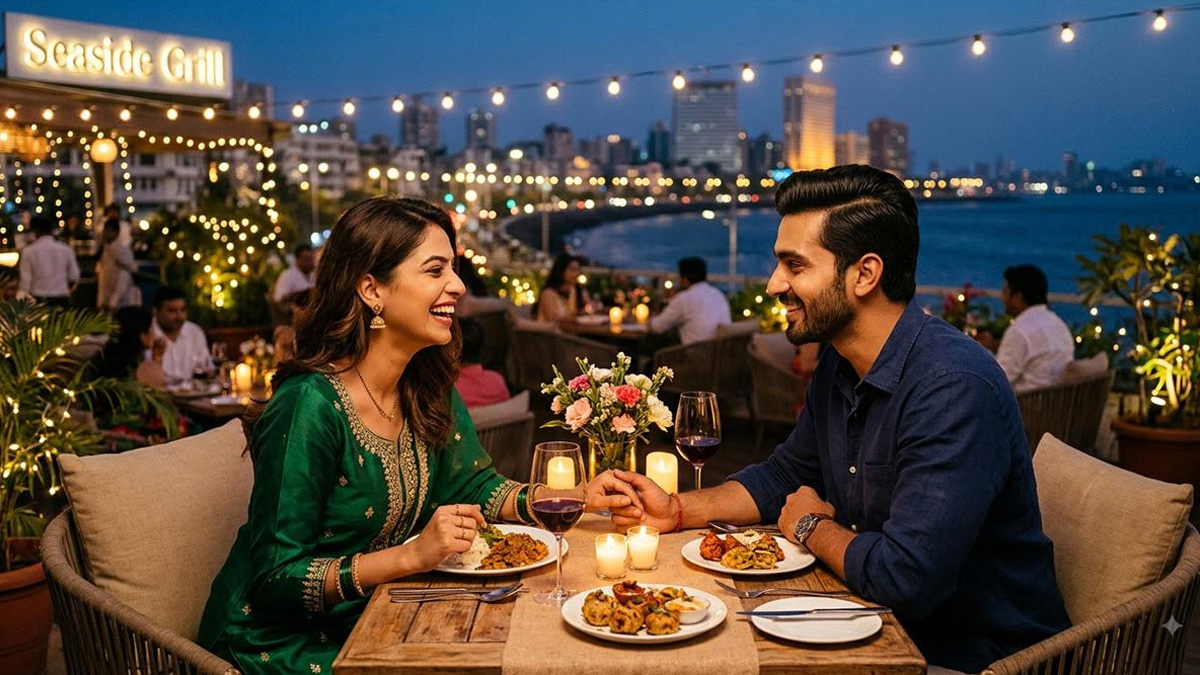
MUMBAI: Love may be knocking, but divorced millennials are not rushing to open the door. For many Indians rebuilding their lives after a failed marriage, finding a promising match is only half the battle. The bigger question is whether they are ready to share the independence they have worked hard to reclaim.
A survey by matchmaking and matrimony app Rebounce, conducted among 10,000 divorced singles aged 30 to 40 across Tier 1, 2 and 3 cities, reveals a striking contradiction. While many respondents want another chance at love and marriage, 46 per cent said waiting before committing makes a significant difference to how their lives could unfold.
For these singles, the familiar refrain, “It’s not time yet”, is less about rejecting love than choosing more carefully. The excitement of meeting someone new is no longer enough to outweigh the consequences of making the wrong decision.
“While others can mistake this tendency to wait as simple emotional unreadiness, people dealing with the situation know it’s much more than just that,” said Rebounce founder and chief executive Ravi Mittal. He said the hesitation stems partly from the reluctance to surrender hard-earned independence or repeat patterns of compromise from an earlier relationship.
For many divorced people, the end of a marriage does not mean the end of its emotional consequences. More than 33 per cent of previously married respondents aged 35 to 40 said the aftermath of divorce continued long after the relationship ended.
“When you eventually reach the point where things are getting normal again in your life, letting someone else in, even if you are attracted to them, gets difficult,” said Mohan, 38, from Delhi.
The concern appears particularly pronounced among women. According to the survey, 39 per cent said their first thought after meeting a potential partner was: “Do I want to risk losing myself for this person?”
For 3,984 participants, the fear of repeating familiar compromises was a major reason to delay a new relationship. Having experienced the cost of a broken marriage, they are wary of allowing early optimism to cloud their judgement.
The result is a more cautious approach to romance, in which emotional compatibility must be weighed against the prospect of preserving personal identity and independence.
For divorced singles with children, moving on is rarely a decision that affects only two people. Children, and sometimes ageing parents, may need time to adjust to the prospect of a new partner entering the family.
“It might be the perfect time for me, but it’s not time yet for my family to be introduced to a new person,” said Deepti, a single mother of two teenagers.
Nearly 21 per cent of women and 19 per cent of men surveyed said they had delayed pursuing matches to give their families more time to understand their decision to seek another relationship.
Ahaan, 34, said family considerations remained important even when the decision to remarry was ultimately personal.
While family members should not determine the outcome, he said, giving them time to understand the reasons behind a second chance mattered in a society where family ties often remain close.
The balancing act is especially delicate for parents, who must consider not only their own readiness for a new relationship but also the emotional adjustment of their children.
Waiting also reflects a change in what divorced singles expect from a partner. More than 4,500 respondents said compromise itself was not the problem. The real issue was whether both partners shared the same understanding of what it meant.
Seven in 10 respondents said their standards had changed after a disappointing marriage, making them more deliberate about the choices they would make the second time around.
Sharing responsibilities, adjusting lifestyles and finding common ground remain part of a relationship. But one-sided sacrifices are increasingly difficult to accept.
“Some living arrangement, lifestyle choices get merged according to both partners’ convenience, but when the same choices start becoming lopsided to make things more comfortable for one partner, it’s a big no for me, this time,” said Nisha, 34.
She added that she had made such compromises out of love in her first marriage and would not recommend repeating them, regardless of how strong the feelings might be.
The findings suggest that a second chance at marriage is no longer simply about finding someone compatible. It is also about establishing boundaries, protecting independence and ensuring that compromise works both ways.
For these millennials, love remains on the table. But this time, they want to be sure the price of admission is not themselves.