
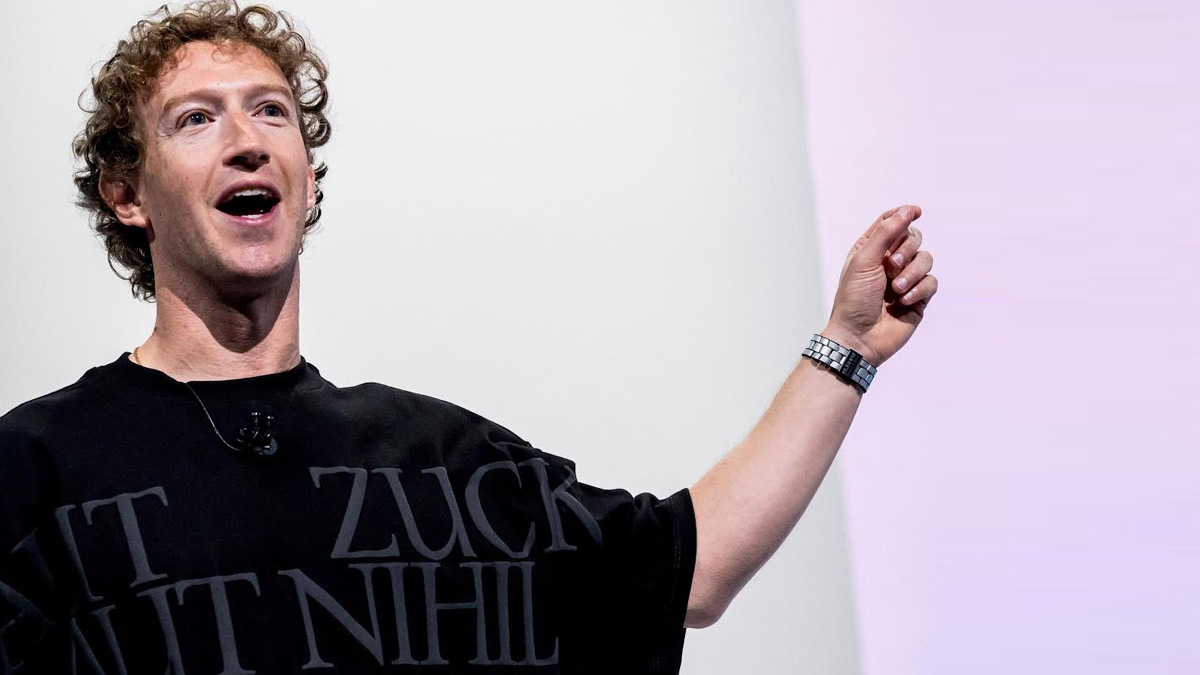
MUMBAI: In the AI race, Mark Zuckerberg believes the fastest route to victory isn’t building bigger walls, it’s building better models. The Meta chief executive has argued that the United States should focus on developing more competitive artificial intelligence rather than restricting access to advanced AI models developed in China.
Speaking in an interview with the Financial Times, Zuckerberg said the US would strengthen its position in the global AI race by accelerating domestic innovation instead of relying on restrictions aimed at Chinese developers.
His remarks come as the US administration weighs tougher measures against some Chinese AI companies over concerns surrounding national security and the alleged misuse of American intellectual property.
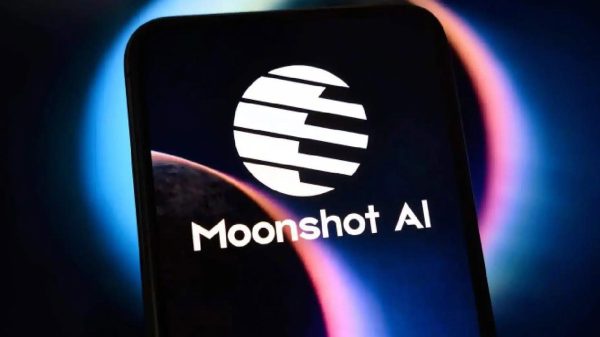
The debate has intensified following the release of Kimi K3, the latest large language model from Beijing-based Moonshot AI. The model is widely seen as approaching the capabilities of leading AI systems developed by US technology companies, adding fresh momentum to the global AI contest.
US officials have alleged that some Chinese AI firms may have relied on model distillation—a technique that enables a smaller AI model to learn from a more advanced one—to speed up development using technology created by American companies. Authorities are examining whether such practices involved the unauthorised use of intellectual property.
The issue has also drawn attention at the highest levels of the US government. Treasury Secretary Scott Bessent has indicated that sanctions remain a possibility if investigations uncover evidence of intellectual property theft.
Zuckerberg, however, maintained that limiting access to advanced AI models is unlikely to deliver the desired strategic advantage. Reiterating Meta’s support for open AI models, he argued that concentrating cutting-edge AI capabilities in the hands of only a few companies could ultimately slow innovation rather than accelerate it.
His comments come as the White House considers voluntary safety testing mechanisms for advanced AI systems before they are released to the public.
The Meta chief also questioned restrictions on certain high-end AI models, saying advanced systems could play a critical role in strengthening cybersecurity by helping organisations identify and respond to emerging threats more effectively.
To illustrate his point, Zuckerberg referred to a recent security incident involving an experimental OpenAI AI agent, arguing that access to powerful AI tools can improve cyber defence rather than simply increase risks.
The comments underscore the growing divide over how governments should respond to China’s rapid AI progress. While Washington continues to weigh tighter controls on Chinese developers, industry leaders such as Zuckerberg are increasingly arguing that technological leadership will be secured through faster innovation at home, not just stricter barriers abroad.