
CALIFORNIA: Jensen Huang is not losing sleep over artificial intelligence destroying jobs. The Nvidia chief executive, speaking on the Lex Fridman Podcast, delivered a blunt reassurance to anxious workers everywhere, and a veiled warning in the same breath.
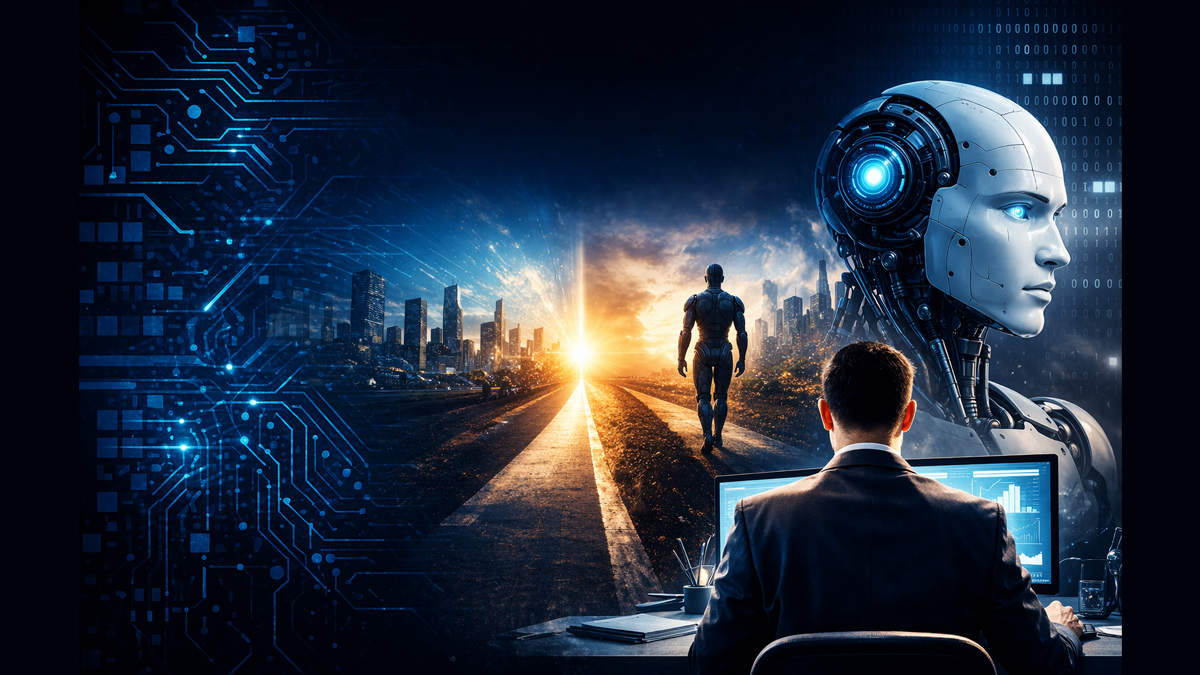
“You’re not going to lose your job to an AI,” Huang told last year’s Milken Institute Global Conference, “but you’re going to lose your job to someone who uses AI.”
The distinction matters. Huang argues that workers routinely confuse their job with the tasks they perform. Tools change; purpose does not. “The purpose of your job, and the tasks and tools that you use to do your job, are related, not the same,” he said. A CEO for over three decades, Huang noted that his own tools have transformed beyond recognition, yet the role itself endures.
His sharpest example is radiology. Computer scientists once confidently predicted radiologists would be among the first casualties of automation. They were wrong. AI now powers nearly every radiology platform, yet the number of radiologists has grown. Faster diagnoses mean more patients seen, driving demand upward rather than down. The real damage, Huang argued, came from the alarmism itself. It scared people away from the field, manufacturing a shortage where abundance might have flourished.
Huang is not alone among chief executives in striking an optimistic note. Brian Chesky of Airbnb has called AI the best thing that ever happened to his company. Jamie Dimon of JPMorgan has conceded that AI will eliminate certain jobs, but insists the imperative is adaptation, not despair.
The message from Silicon Valley’s most powerful chip-maker, then, is clear: AI is a lever, not a guillotine. Those who pull it will thrive. Those who don’t will not be replaced by a machine, but by a human who bothered to learn.