


MUMBAI: A chip off the old block? Not quite. The world’s AI race is moving so fast that even the factories building its brains are struggling to keep up. Taiwan Semiconductor Manufacturing Company (TSMC), the world’s largest contract chipmaker, has warned that the artificial intelligence boom is continuing to stretch global semiconductor supplies, with demand for advanced chips expected to exceed manufacturing capacity for years to come.
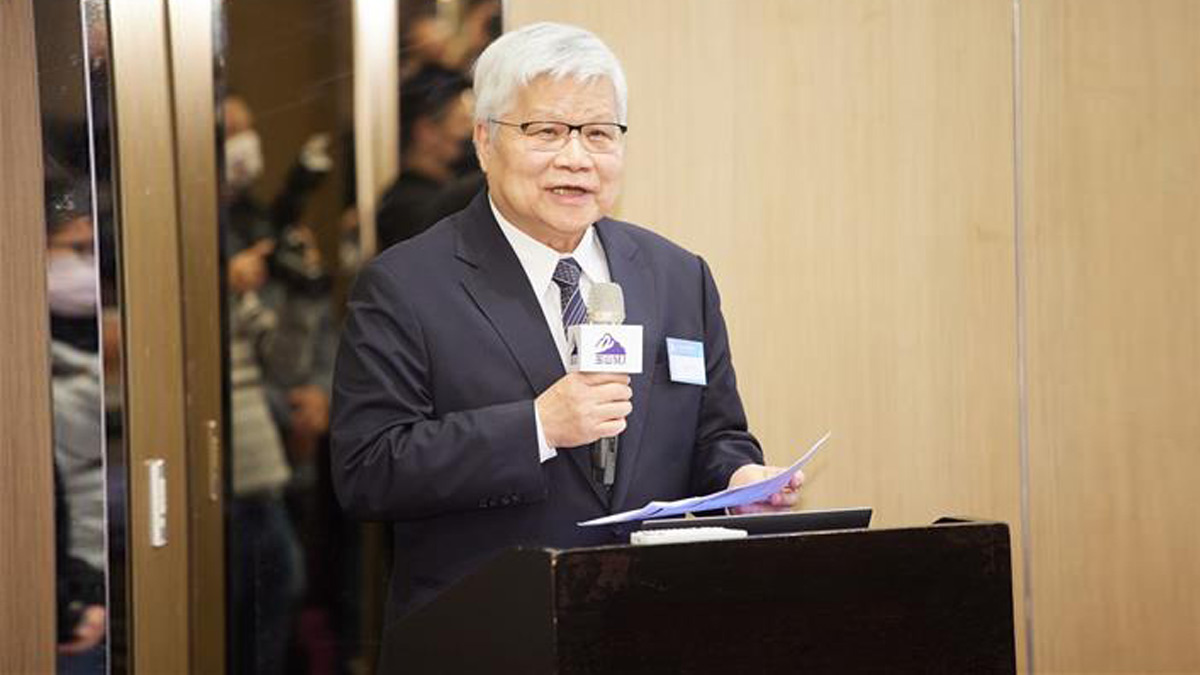
Speaking at the company’s annual shareholders’ meeting in Taiwan Taiwan Semiconductor Manufacturing Company chief executive officer C.C. Wei said the rapid adoption of AI across consumer, enterprise and government applications is fuelling an unprecedented appetite for computing power. The result: a supply-demand imbalance that remains far from resolved.
As the dominant manufacturing partner for chip designers such as NVIDIA and AMD, TSMC sits at the centre of the global AI ecosystem. Every surge in demand for AI infrastructure, cloud computing and next-generation devices eventually lands at the company’s factory gates.
And those gates are getting crowded.
Despite ongoing investments to increase production, TSMC acknowledged that supply constraints are likely to persist. The warning comes as technology giants and cloud providers collectively prepare to spend hundreds of billions of dollars on AI-related infrastructure this year, intensifying competition for cutting-edge semiconductors.
The ripple effects could extend well beyond data centres. Industry observers have cautioned that prolonged shortages of high-performance chips may eventually push up prices for smartphones, laptops, gaming consoles and a growing range of AI-enabled consumer devices.
TSMC has also signalled that pricing could come under review as demand continues to surge. While the company indicated any increase would be approached carefully, it noted that maintaining profitability remains important amid massive spending on new facilities and capacity expansion.
To address future demand, TSMC is expanding beyond its home market. The company is building a major semiconductor manufacturing hub in Phoenix, Arizona, with planned investments exceeding $165 billion. Yet even that colossal expansion may not fully satisfy customer requirements, according to company executives.
The challenge highlights a growing reality of the AI era: while software grabs the headlines, the real bottleneck often lies in the silicon powering it.
For TSMC, the demand wave is translating into strong financial performance. The company said employees are expected to receive significantly higher bonus payouts this year, reflecting the gains generated by sustained demand for advanced chips.
As AI continues its march into everything from search engines and smartphones to government services and enterprise software, one thing is becoming clear: the race for artificial intelligence may ultimately be won or lost on who can secure enough semiconductors to power it.