

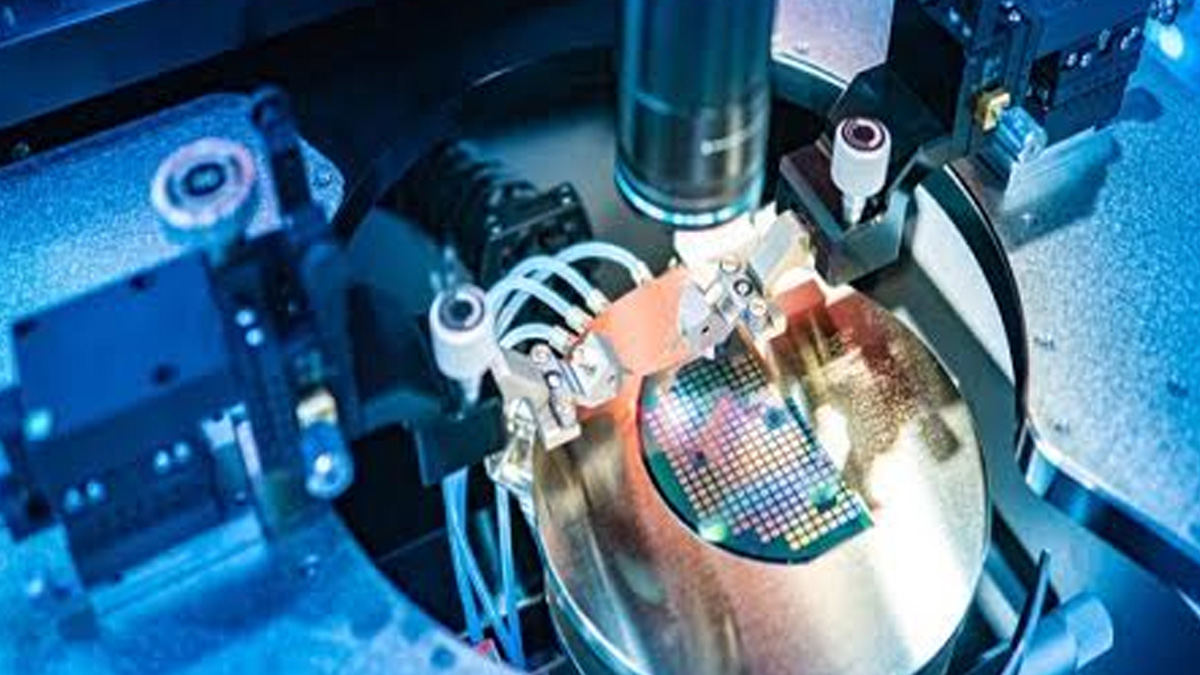
MUMBAI: The next AI race may not be won with bigger models alone, it could be decided by who builds the brains beneath them. Meta Platforms is preparing to begin manufacturing its latest in-house artificial intelligence chip, code-named Iris, in September, marking a significant step in its bid to reduce dependence on third-party chipmakers and tighten control over its expanding AI infrastructure.
According to an internal company memo reviewed by Reuters, Iris is part of Meta’s multi-generation Meta Training and Inference Accelerator (MTIA) programme, which is developing custom silicon to power AI models across Facebook, Instagram and the company’s wider ecosystem.
The memo said the chip completed testing in just six weeks without major technical issues, signalling growing momentum for a programme that has been under development for more than five years as AI computing demand continues to soar.
Meta has partnered with Broadcom on the chip’s design, while manufacturing will be handled by Taiwan Semiconductor Manufacturing Co. (TSMC). By building its own processors, the company aims to optimise AI workloads, improve efficiency and reduce the long-term costs of relying heavily on graphics processing units (GPUs) supplied by companies such as Nvidia and AMD.
Rather than replacing third-party GPUs altogether, Iris is expected to complement Meta’s existing AI hardware. The internal memo noted that integrating the latest external GPUs across Meta’s vast infrastructure has become increasingly complex and time-consuming, strengthening the case for purpose-built silicon.
Meta first unveiled Iris earlier this year under the MTIA brand alongside three additional AI processors. The company now plans to introduce new AI chips roughly every six months through 2027, dramatically accelerating a development cycle that traditionally takes a year or longer in the semiconductor industry.
The chip roadmap is backed by an equally aggressive infrastructure expansion. Meta expects to deploy seven gigawatts of computing capacity in 2026, with plans to double that to 14 gigawatts by 2027, underscoring the scale of its AI ambitions.
To support the rollout, the company has secured multi-year supply agreements with key hardware partners, including Samsung Electronics for memory chips, SanDisk for flash storage and Sumitomo Electric for fibre-optic equipment, ensuring component availability as global demand for AI infrastructure continues to strain semiconductor supply chains.
The investment reflects Meta’s broader push to build an end-to-end AI ecosystem. According to the memo, the company is expected to invest up to $145 billion in AI infrastructure this year as competition intensifies among technology giants racing to build the next generation of artificial intelligence.