

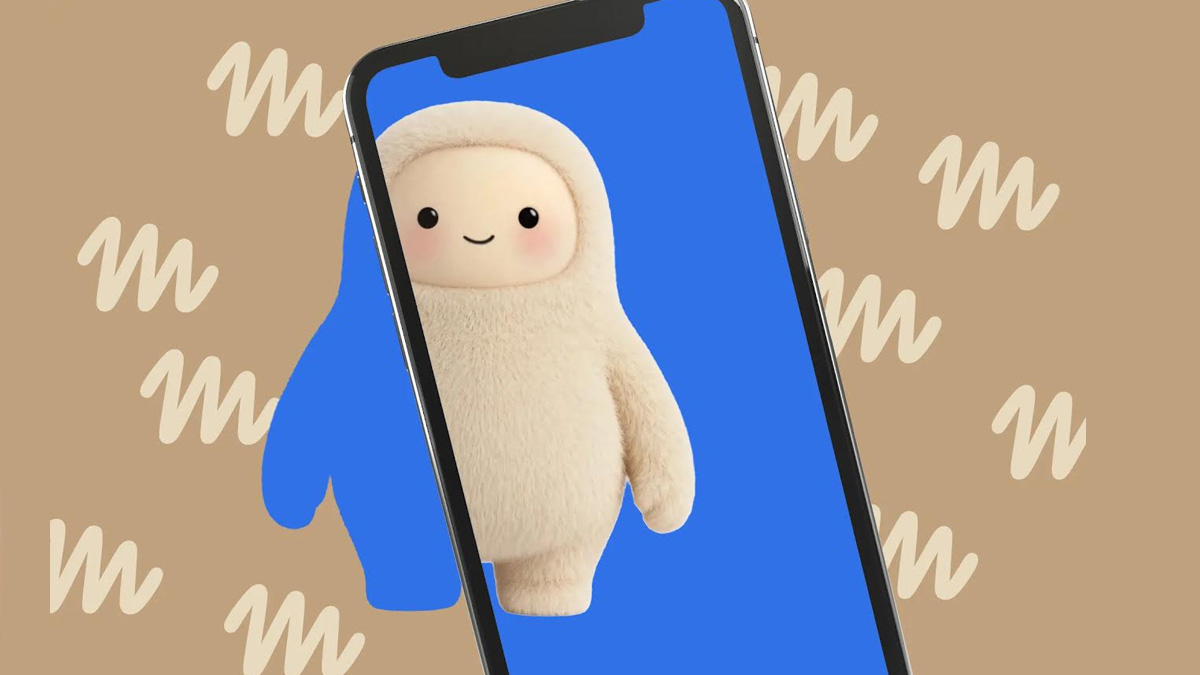
MUMBAI: Muse has certainly found its audience, and it did not take long to make an entrance. Meta’s personal AI agent has crossed 5 million downloads in the US just 22 days after its 8 September launch, according to data from market intelligence firm Sensor Tower.
That pace puts Muse ahead of the time taken by several established AI products to reach the same 5 million-download milestone in the US. According to the data, OpenAI’s ChatGPT took 56 days, X’s Grok took 103 days and Anthropic’s Claude took 492 days to cross the mark.
Downloads, however, are only the first chapter of the Muse story. Internal data reviewed by The Information shows that more than 3 million users now give the AI agent at least one prompt every week, while more than 1 million users interact with it through at least one prompt every day.
The broader weekly usage figure is even higher. More than 4 million people use Muse in some form at least once a week, including people who interact with an action or approve something without submitting a fresh prompt.
That distinction matters because Meta is pitching Muse as something more ambitious than another chatbot. The product is designed to act as a personal AI agent that can carry out tasks across applications, shifting the conversation from asking AI questions to handing AI jobs.
Muse can, for instance, send emails, book travel and complete web-based tasks on a user’s behalf. It operates through a dedicated virtual machine and can continue working on tasks even after the user closes the application, returning when it needs approval for actions such as sending an email or making a purchase.
The latest numbers also show how quickly usage has moved since the product’s early rollout. The Information had previously reported that Muse crossed 500,000 users roughly a week after launch, including more than 250,000 daily active users, with users submitting more than 2 million prompts at that stage.
From there, the jump to more than 3 million weekly prompting users marks a substantial expansion in activity. It also suggests that Meta’s challenge is moving beyond getting users to download Muse and towards making the agent useful enough to become part of their regular digital routines.
Meta is also widening the net around Muse rather than leaving it as a standalone application. The company has announced plans to bring the agent to its AI glasses, potentially allowing users to access it hands-free, while also adding connectors for services spanning shopping, travel, productivity and other everyday activities.
The push has also moved into the workplace. On 29 September, Meta announced Muse for Small Business, with integrations including Shopify, Slack, Stripe, Canva, Dropbox, Notion and QuickBooks, among other business tools.
That expansion comes as the AI industry increasingly shifts towards agentic systems that can execute tasks instead of simply producing answers. The Information reported that SpaceXAI launched Grok Bot in beta in August, while OpenAI introduced its own always-on agent, Dots, in September.
Muse’s early download surge has also been accompanied by a sizeable marketing push from Meta. Sensor Tower data cited in the reports indicates that Meta allocated as much as 50 per cent of its daily house-ad inventory to the product and placed Muse among the top 15 US brands by advertising impressions during the measured week.
Meta launched Muse on 8 September as a personal AI agent built around its Muse Spark model. Unlike a conventional chatbot, the system is designed to navigate websites, fill forms and coordinate tasks, while users retain control over connected services and sensitive actions require their approval.
The product is currently rolling out in the US across iOS, Android and the web, with Meta planning to extend its availability to AI glasses. That device strategy could become an important part of the company’s attempt to make AI assistance less about opening an app and more about having an agent available wherever the user is.
There is still a sizeable gap between Muse’s early adoption and Meta’s enormous consumer ecosystem. Meta’s family of applications reaches billions of people globally, meaning even more than 4 million weekly Muse users currently represent only a small fraction of the company’s wider audience.
The bigger test, therefore, is unlikely to be the next download milestone alone. As Meta connects Muse with more services, devices and business tools, the key question will be whether users keep handing over real-world digital tasks to the agent once the novelty of a new AI product wears off.