
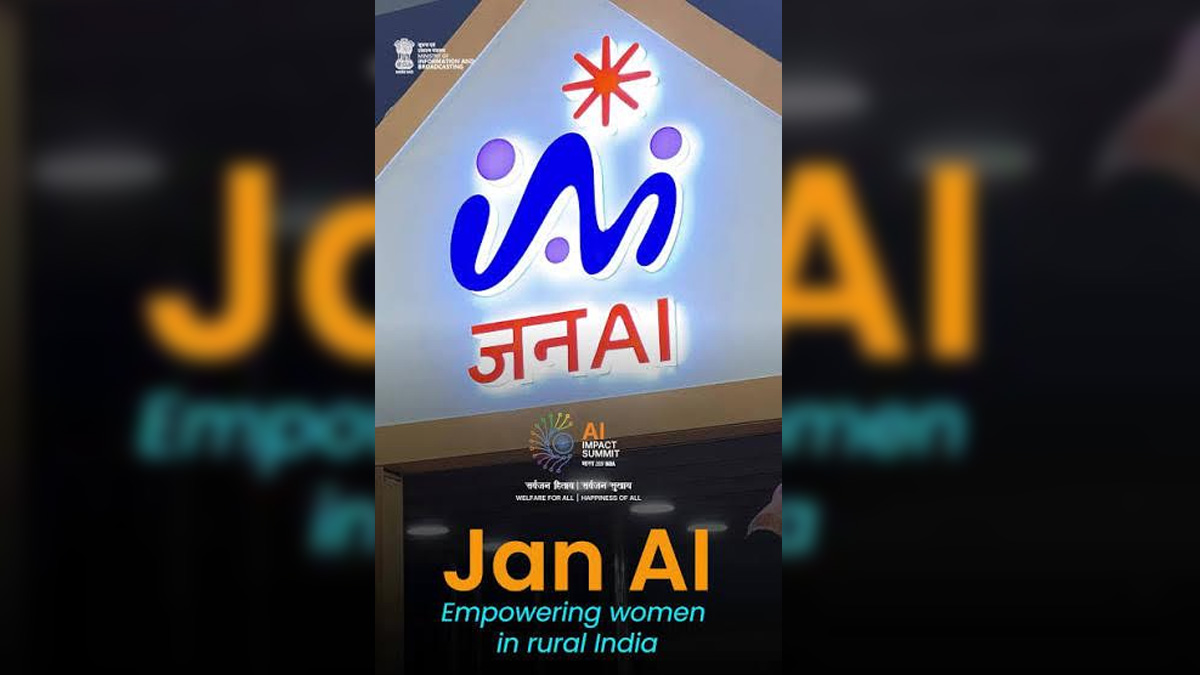
MUMBAI: The next AI breakthrough may not come from a tech park, it could brew over a cup of chai in a village café. That’s the idea behind JanAI, a new initiative looking to take artificial intelligence beyond India’s metros by creating a nationwide network of community AI cafés where everyday citizens can learn, experiment and solve local problems using AI.
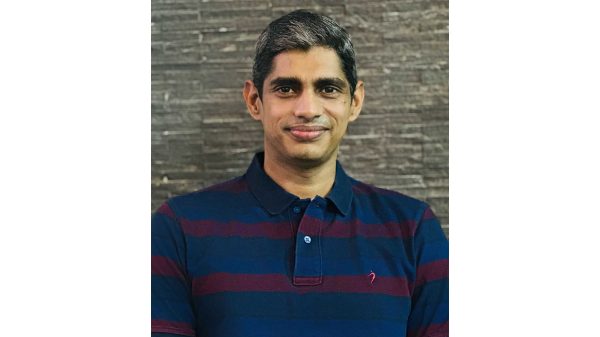
Founded by serial entrepreneur and Head Held High Foundation founder Madan Padaki, JanAI is positioning itself as a grassroots AI movement focused on farmers, students, women, MSMEs and underserved communities. Rather than concentrating on enterprise applications, the initiative aims to make AI relevant to everyday life by helping people use it to tackle practical challenges.
The programme has laid out an ambitious roadmap: build AI literacy among 50 million citizens, equip 2 million students with AI skills, support 1,000 startups developing local AI solutions and establish 1,000 Agentic AI cafés across talukas and gram panchayats.
Unlike conventional digital literacy centres, these AI cafés are designed as community hubs where local entrepreneurs guide citizens through discovering, installing and using AI tools suited to their personal or professional needs. From farming advice and financial inclusion to education and healthcare, the focus is on enabling people to apply AI where it matters most.
According to Padaki, pilot AI cafés are already operational, with expansion across multiple states planned in the coming months.
JanAI is also taking a problem-first approach to innovation. Instead of encouraging startups to build generic AI products, the organisation has deployed college students to villages to identify real-world challenges spanning agriculture, healthcare, sanitation, education, livelihoods and financial inclusion. These verified problem statements are then shared with students, innovators and startups to develop AI-powered solutions tailored to local needs.
The initiative argues that rural India’s AI readiness may already be stronger than widely perceived. Citing a YouGRAF-JanAI study, it said 91 per cent of rural youth are aware of AI, 86 per cent have used AI tools and 55 per cent report using them daily, suggesting that AI adoption is extending well beyond urban centres.
Beyond expanding access, JanAI is also focusing on measuring impact. In partnership with Wipro, it is developing an AI Impact Index that goes beyond counting people trained. The framework will assess awareness, adoption, frequency of usage and the economic benefits generated through AI-enabled solutions.
By combining community learning, grassroots innovation and outcome-based measurement, JanAI is betting that India’s next wave of AI adoption will be driven not just by technology, but by solving everyday problems where they matter most.