
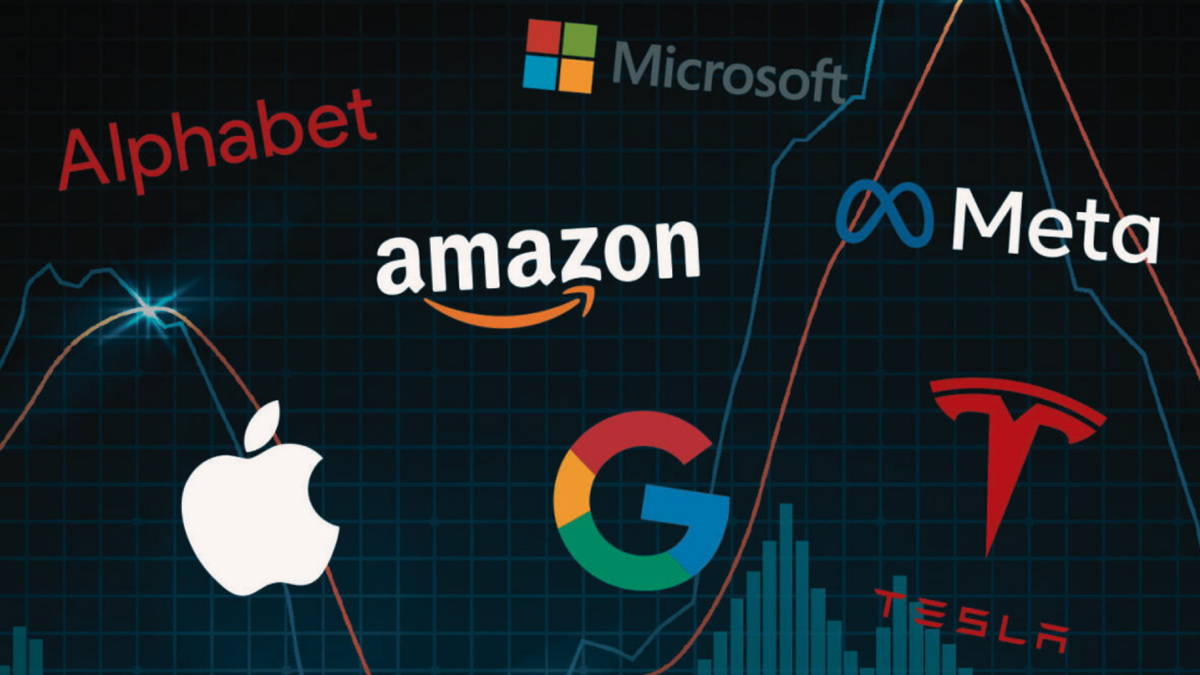
MUMBAI: The AI arms race is getting a very expensive upgrade. Amazon, Alphabet, Microsoft and Meta are set to spend a combined $760 billion in 2026, up sharply from around $200 billion in 2022, as the tech giants pour money into the infrastructure needed to power artificial intelligence and cloud services.
The spending covers everything from data centres and computing capacity to chips, networking equipment and other technology infrastructure, reflecting the sheer amount of processing power now required to develop and run AI systems at scale.
Amazon is leading the spending spree, with $220 billion earmarked for 2026. The company had earlier estimated capital expenditure at $200 billion but raised the figure as growth at Amazon Web Services increased its infrastructure requirements.
Alphabet is expected to spend between $195 billion and $205 billion, as Google expands computing and data-centre capacity to support its AI and cloud businesses.
Microsoft has planned around $190 billion in spending, with data centres and computing infrastructure accounting for a significant share as demand for AI services and Azure continues to grow.
Meta, meanwhile, expects capital expenditure of up to $145 billion, with the investment directed towards data centres and computing systems supporting its AI products and development.
Taken together, the numbers show how dramatically the economics of the AI boom have shifted. In 2022, the four companies spent roughly $200 billion; by 2026, their planned outlay is nearly four times that level.
The jump is being driven by the growing computing demands of training AI models and running AI applications for millions of users. As the technology moves deeper into products and services, infrastructure has become as important to the AI strategy as the models themselves.
But the spending comes with a sizeable question mark: how quickly can these investments pay off? The four companies will need to turn their expanding computing capacity into higher revenues from AI and cloud services, while ensuring that the infrastructure being built is used efficiently.
For now, the message from Big Tech is clear: the AI race is no longer just about who builds the smartest model, but who can afford to build the biggest machine behind it.