
Broadcaster and ICC to face ripple effects if match gets cancelled
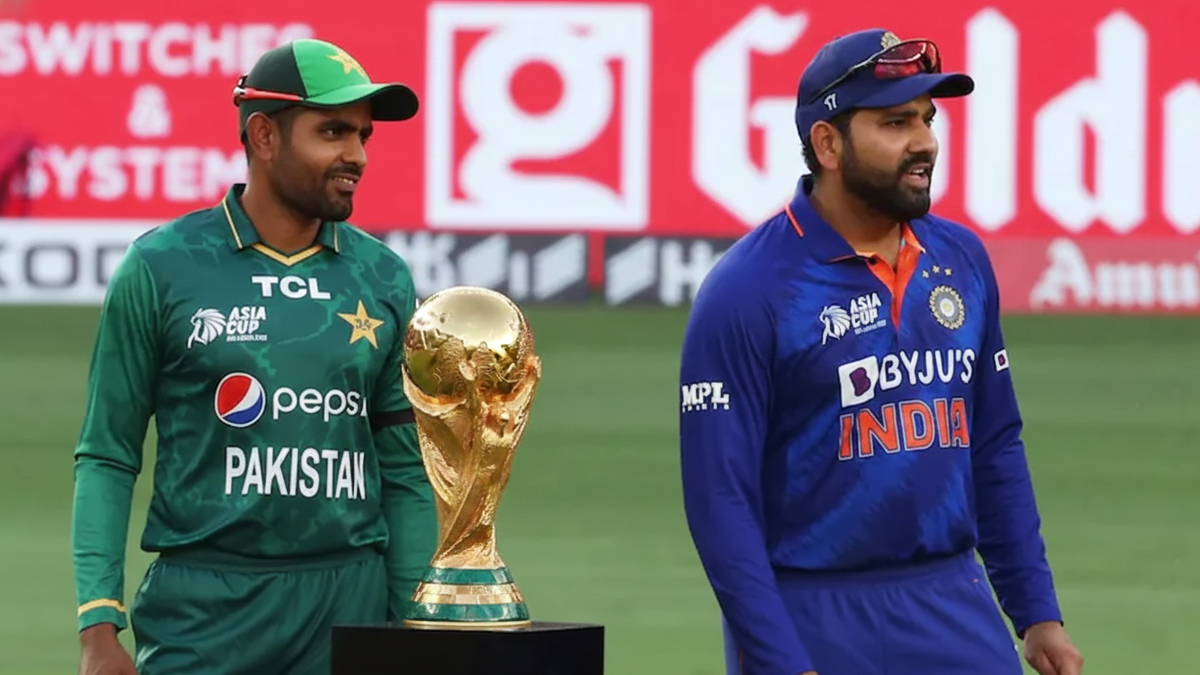
MUMBAI: JioStar is staring at a potential 15–20 per cent drop in advertising revenues from the ICC Men’s T20 World Cup after Pakistan said it would boycott its marquee clash against India, the Economic Times reported.
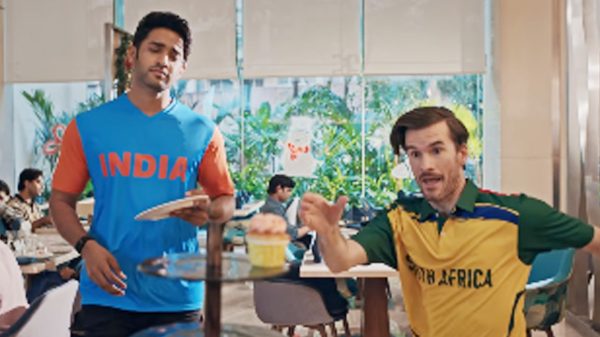
The India–Pakistan match is among the most valuable fixtures in world cricket, drawing massive audiences and commanding premium advertising rates. For many brands, it forms the centrepiece of World Cup marketing campaigns.
The broadcaster is aiming to generate more than Rs 2,000 crore in ad revenues across television and digital platforms during the tournament. Industry executives estimate that the absence of the high-profile match could shave off as much as one-fifth of that total. Subscription earnings are expected to remain steady, given that most deals are locked in on a fixed-fee, annual basis.
Advertising slots during marquee India games, particularly against Pakistan, fetch up to Rs 17 lakh for a 10-second spot.
While JioStar has maintained that the Pakistan Cricket Board is yet to formally inform the ICC of the decision, the Pakistan government confirmed on Sunday that the team would take part in the tournament but would not play India.
Media planners said the cancellation of the 15 February fixture would likely trigger renegotiations with advertisers.
The development adds to the strain on sports broadcasters, already grappling with the fallout from the ban on real-money gaming platforms such as Dream11 and My11Circle, which has erased an estimated Rs 7,000 crore from the sports advertising ecosystem.
The fallout could extend to the ICC itself. Under a four-year media rights agreement worth around $3 billion for 2024–27, JioStar is expected to pay between $750 million and $1 billion this year alone. Any revenue pressure could lead to revised payment terms, affecting the ICC and its member boards, including Pakistan.
Some advertisers are also expected to divert spending towards the Indian Premier League, scheduled soon after the World Cup.
Even so, analysts believe robust viewership during the Super 8 and knockout stages may help soften the overall revenue impact.