
MUMBAI: Every 14th February, millions around the world pause to celebrate love in all its forms. What began as a historic tale of courage and romance has evolved into a multifaceted cultural phenomenon that reflects how society’s understanding of love has changed over centuries. Today, Valentine’s Day is no longer just a celebration of romantic love but a day to honour friendship, familial bonds, self-care, and shared experiences.
1. From Saint Valentine to Global Celebration
The story of Valentine’s Day begins in ancient Rome, with Saint Valentine, a Christian priest who defied Emperor Claudius II’s decree prohibiting marriages for young couples. Believing that love and companionship were essential, Valentine secretly conducted wedding ceremonies for couples, risking imprisonment. When discovered, he was executed, but before his death, he reportedly sent a note to a young woman, signed “From your Valentine.” This act of courage became a symbol of enduring romantic devotion.
By the 14th century, poets such as Geoffrey Chaucer popularized February 14 as a day of romantic expression. In England and France, it became customary to exchange written notes, often infused with poetry. By the Victorian era, mass production of cards made the celebration accessible to the middle class, and symbols such as red roses, hearts, and Cupid became globally associated with the day. In India, Valentine’s Day began as a niche, Western-inspired celebration among college students and urban youth in the late 1990s. Over the years, the festival spread across metros, becoming mainstream with retail, florists, and social media campaigns driving awareness.
2. Evolving Ways of Expressing Love Through Gifting
For decades, Valentine’s Day revolved around a few iconic symbols: red roses for passion, chocolates and candies as sweet tokens of love, and handwritten greeting cards to express heartfelt emotions. Couples celebrated with romantic dinners, letters, and small surprises. These gestures were meant to communicate love in tangible forms, often adhering to societal norms and expectations.
In recent years, however, gifting has evolved to reflect personal choice, inclusivity, and meaningful experiences. Personalized gifts, such as engraved jewelry, customized photo albums, and hand-crafted keepsakes, have become increasingly popular. Experience-based gifts, including spa vouchers, weekend trips, or even culinary workshops, allow couples to create shared memories rather than simply exchange objects. Brands such as Archies in India have adapted by offering personalization options for cards, mugs, and décor, tapping into the desire for bespoke expressions of affection.
Practical gifts are also gaining prominence, with lifestyle products, tech gadgets, perfumes, and wellness kits being considered thoughtful and reflective of a partner’s personality. A 2026 study showed that chocolates, perfumes, and lifestyle products saw a 48 percent rise in quick-commerce orders in India, demonstrating how convenience and speed have become as important as sentiment. Retailers such as Amazon India, Flipkart, and Myntra have leveraged this trend by offering same-day delivery options for last-minute gifts, making Valentine’s Day celebrations more accessible and spontaneous.
In Tier-2 and Tier-3 cities, younger consumers are embracing Valentine’s Day in creative ways. From gifting hand-made crafts to organizing intimate get-togethers, these celebrations highlight how love has transcended urban trends to find a foothold across India. This diffusion of culture shows that Valentine’s Day is no longer restricted to metropolitan lifestyles but is being integrated into broader social contexts.
3. Valentine’s Day in India — From Adoption to Adaptation
Initially, Valentine’s Day in India was seen as a Western import and sometimes met with skepticism or cultural resistance, particularly around public displays of affection. Over time, it has been woven into local cultural practices and blended with Indian values of friendship, family bonds, and personal expression. Today, celebrations are observed across college campuses, workplaces, and city markets, and increasingly among families and groups of friends, not only romantic couples.
Retailers and online platforms have played a key role in popularizing the festival. Ferns N Petals, India’s largest flower delivery service, reports a 35 percent year-on-year increase in Valentine’s Day sales, highlighting the growing acceptance and commercialization of the occasion. Indian cinema and social media influencers have also contributed to the festival’s local narrative, showing young people celebrating with creative gestures beyond roses and chocolates — for example, gifting books, DIY crafts, or personalized experiences.
At the same time, debates over public displays of affection persist, especially in smaller towns. This dichotomy has led to a unique adaptation where the sentiment of love is celebrated quietly and meaningfully through gifts, notes, or shared moments rather than public flamboyance. Valentine’s Day has thus evolved into a nuanced, culturally sensitive, yet increasingly widespread celebration in India.
4. Brand Campaigns and Marketing Trends Shaping Valentine’s Day 2026
Valentine’s Day marketing today reflects a shift from grand romantic gestures to everyday acts of care, relatability, humor, and inclusivity. Brands are increasingly designing campaigns that resonate with real-life expressions of love.
Celebrating Small Moments
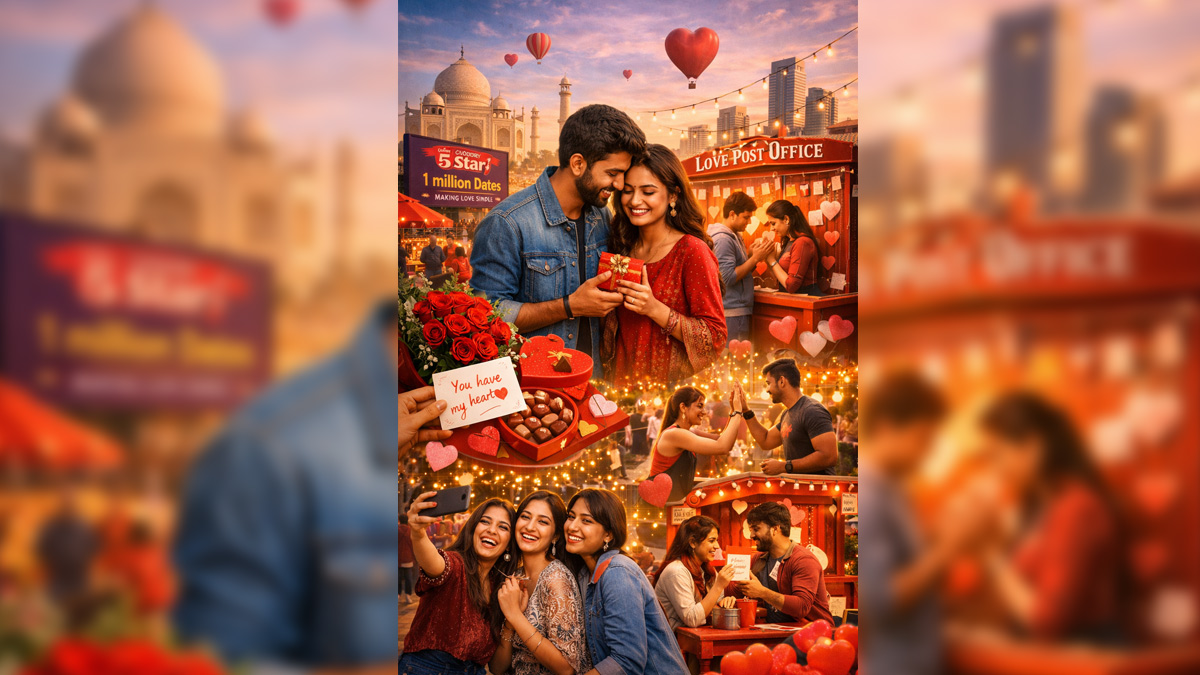
Large brands are focusing on everyday moments of love rather than over-the-top gestures. Cadbury 5 Star, for instance, moved from satirical Valentine’s ads to sponsoring one million dates, emphasizing shared experiences over material gifts. Myntra’s M-Now, the quick-commerce arm, highlighted ordinary yet meaningful acts of love, such as leaving notes for partners, small surprises, and digital gifting, reflecting how young consumers value authenticity.
Campaigns focusing on small moments reinforce that love is not always about dramatic declarations. A simple gesture, like helping with chores, sharing responsibilities, or leaving a thoughtful note, can carry deep emotional significance. Brands such as Fevicol have leveraged this with storytelling ads showing everyday acts — fixing something for a partner or sharing a meal — as metaphors for enduring connections.
Playful and Culture-Aware Storytelling
Some brands are embracing local cultural contexts and humor. Hershey’s Kisses launched its campaign “Giving Kisses is hard, but there is Hershey’s Kisses!” to acknowledge cultural hesitations around public affection in India. Quick-commerce brands often integrate Bollywood nostalgia or quirky storytelling to create relatable campaigns, turning everyday interactions into charming love narratives.
Experiential Pop-Ups

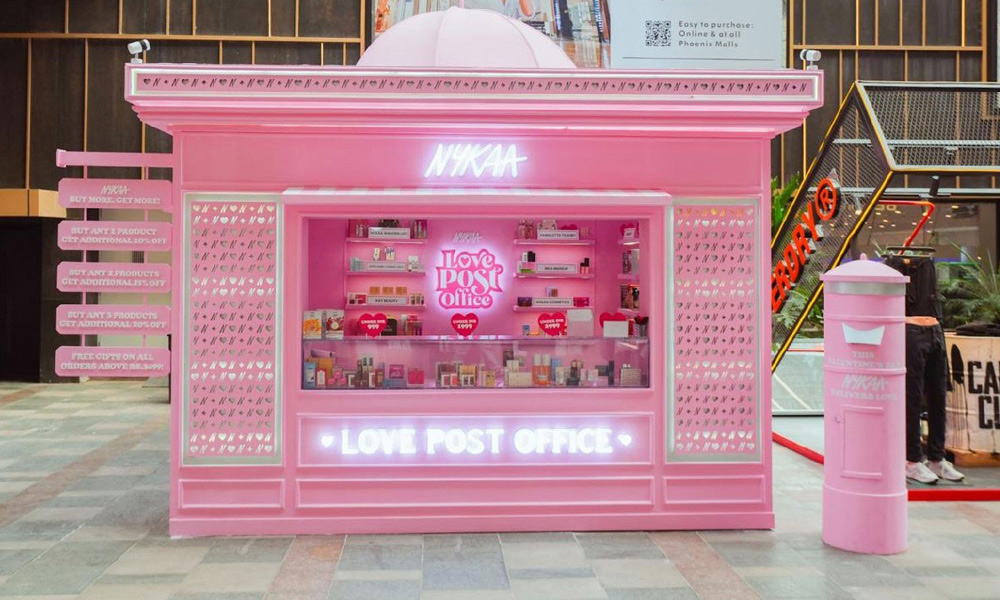
Offline experiences are gaining momentum alongside online campaigns. In Bengaluru, PUMA India, Bumble, and HYROX collaborated to host fitness-meet-social events, blending workouts with opportunities for singles to mingle. Similarly, Nykaa’s Love Post Office allowed participants to write handwritten letters for loved ones while pairing them with curated beauty gifts, combining traditional expression with modern retail experiences. These initiatives highlight that meaningful interactions and communal experiences are now as valued as material gifts.
Beyond Romantic Pairings
Marketing is expanding beyond romantic love to celebrate inclusivity and self-love. Social media platforms, such as Instagram, encourage users to share gestures of affection with friends and family through themed stickers and interactive features. Brands like Chumbak and Happily Unmarried have also promoted self-care and quirky personal gifts, emphasizing that Valentine’s Day can celebrate personal expression, friendship, and self-appreciation, not just romantic connections.
5. Cultural Meaning in 2026
Valentine’s Day in India reflects contemporary youth culture, emphasizing authenticity, relatability, and shared experiences over perfection. Creative workshops, DIY bouquet-making, and community craft nights are becoming popular alternatives to traditional candle-lit dinners, especially in cities like Chennai, Pune, and Hyderabad. These experiences emphasize connection, collaboration, and creativity over extravagance.
Digital dating, personalized gifting, and social media storytelling have also shifted how young people express love. Peer influence, influencer campaigns, and viral marketing contribute to shaping Valentine’s Day as a day for individual expression and community bonding. The festival has become fluid, encompassing romantic love, friendship, family bonds, and self-expression, demonstrating its evolution into a multidimensional celebration.
6. The Heart of Valentine’s Today
Valentine’s Day began as an act of rebellion in the name of love and evolved into a celebration embraced globally. In 2026, it continues to adapt to how people live, love, and connect. Whether it is a handwritten letter delivered through a pop-up post office, a last-minute quick-commerce gift, a fitness-meet-social event, or a heartfelt message shared on social media, love’s expression has become personal, meaningful, and human.
Brands, communities, and individuals alike are shaping the holiday, but its essence remains constant: Valentine’s Day is a day to honor connection in all its diverse, evolving, and beautiful forms.