

MUMBAI: Every cloud may have a silver lining, but this one is drawing storm clouds. Google’s biggest India investment is now facing a different kind of data crunch, one measured not in bytes, but in water and biodiversity.
Google’s proposed $15 billion artificial intelligence and data centre project in Visakhapatnam is facing growing resistance from environmental groups and local activists, who argue the development could intensify pressure on the city’s water resources and threaten nearby wildlife habitats.
The hyperscale facility, being developed in partnership with the Adani Group, forms part of Google’s largest investment commitment in India. While construction is underway, the project has sparked public protests and legal challenges over its environmental footprint.
According to a Reuters report, campaigners have staged demonstrations in Visakhapatnam carrying placards declaring, “We cannot drink DATA,” drawing attention to the substantial water requirements associated with cooling large-scale AI and data centre infrastructure.
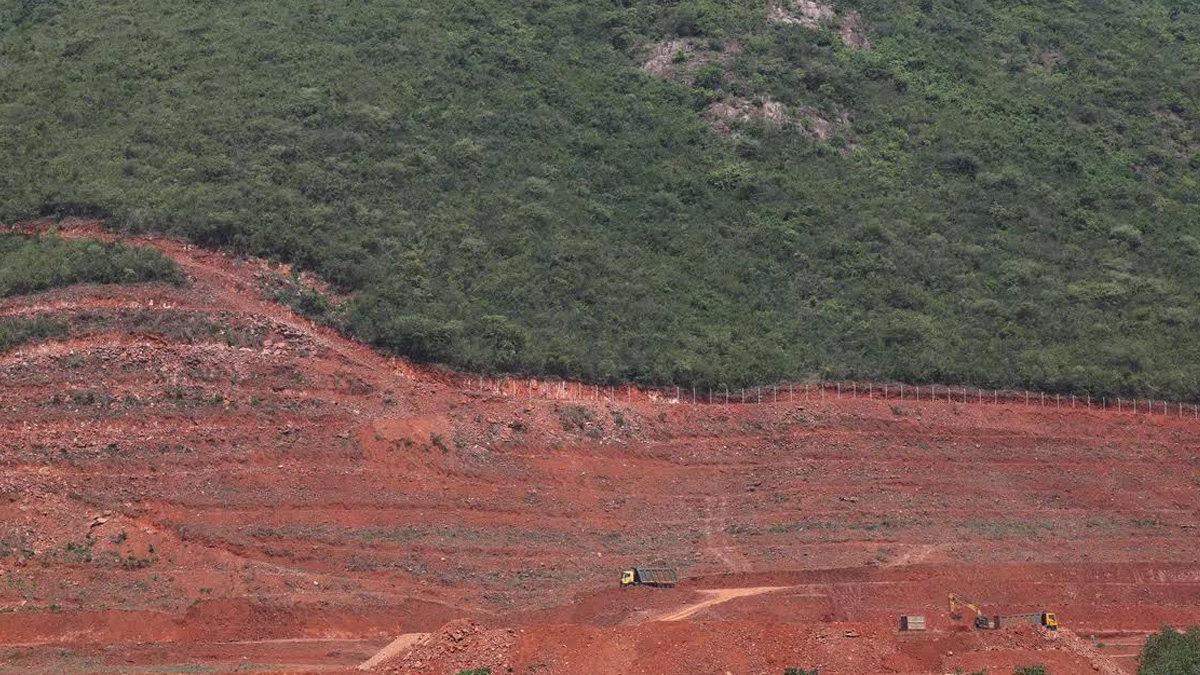
The concerns extend beyond water consumption. Activists have also questioned the project’s proximity to the Kambalakonda Wildlife Sanctuary, home to species including leopards and pangolins, arguing that increased industrial activity could disrupt the surrounding ecosystem.
The debate comes against the backdrop of existing water stress in the city. Reuters reported that Visakhapatnam currently receives around 410 million litres of water per day against an estimated requirement of 480 million litres, with water rationing already affecting several areas. Protesters argue that the addition of a major AI infrastructure hub could further strain supplies unless adequate safeguards are implemented.
The dispute has now reached the courts. The Andhra Pradesh High Court is hearing a public interest litigation filed by activists who contend that the project could adversely affect local water reserves. The matter is scheduled for its next hearing on 24 August.
The Andhra Pradesh government has dismissed allegations that the project was fast-tracked without adequate environmental scrutiny, describing the investment as a significant opportunity for the state’s economic and digital growth. State authorities have also said they are prepared to defend the project in court.
Google, meanwhile, has maintained that the development complies with Indian regulations and incorporates technologies designed to reduce its environmental impact. The company said it plans to deploy advanced cooling systems while implementing measures to minimise disruption to nearby wildlife and local communities.
The controversy reflects a broader global challenge facing the artificial intelligence industry. As technology companies race to build increasingly powerful AI infrastructure, questions around water consumption, electricity demand and ecological sustainability are emerging as critical issues alongside computing capacity. Similar concerns have surfaced in several markets, including the United States, where rapid data centre expansion has triggered growing scrutiny from communities and environmental groups.