
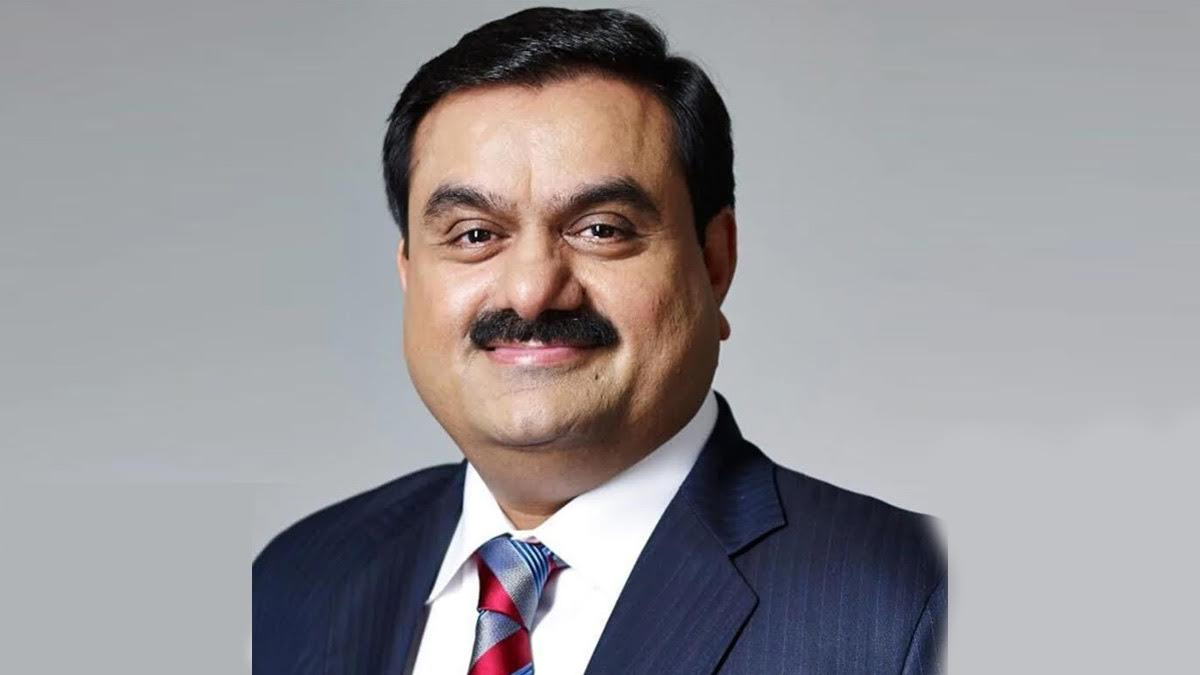
NEW DELHI: Gautam Adani has reached the top of another leaderboard, this time in bricks rather than ports. Gautam Adani and his family have topped the GROHE-Hurun India Real Estate Rich List 2026, overtaking DLF chairman Rajiv Singh for the first time.
According to the latest ranking released by Hurun India, the Adani family’s real estate wealth rose 73 per cent year on year to Rs 90,400 crore, lifting them two places to the top of the list.
The surge has been driven by the growing value of Adani Properties, which the report describes as India’s most valuable unlisted real estate company, supported by a pipeline of large-scale urban development projects.
Rajiv Singh and his family slipped to second place with Rs 90,200 crore in real estate wealth after a 29 per cent decline, which the report attributed to a broader market correction. Despite the fall, DLF remains one of the country’s largest listed property developers.
Mangal Prabhat Lodha and family ranked third with Rs 67,700 crore, down 27 per cent from a year earlier. While the correction reduced the family’s wealth, Lodha Developers continues to expand across key residential markets.
The fourth position was shared by Vikas Oberoi of Oberoi Realty and Chandru Raheja and family of K Raheja Corp, with each reporting real estate wealth of Rs 42,500 crore.
The latest rankings reflect a mixed year for India’s property sector. While several established developers saw declines in wealth amid market volatility, Adani bucked the trend with a sharp rise in the valuation of his real estate business.
Separately, Hurun’s latest Global Unicorn Index 2026 showed India retaining its position as the world’s fourth-largest startup ecosystem with 61 unicorns. Bengaluru remained the country’s leading unicorn hub with 25 startups valued at over $1 billion, followed by Mumbai with 13. The report also noted that six Indian unicorns made their public market debut during the year, signalling improving IPO activity.
The latest real estate rankings underline the growing scale of Adani’s property business, even as traditional developers continue to dominate India’s residential and commercial real estate markets.