

CALIFORNIA: Instagram has a new ask: pay up, or make do. The Meta-owned platform has launched Instagram Plus, an optional paid subscription that layers exclusive features on top of the free app without removing anything from it. The core Instagram experience stays free; this is for users who want more.
The subscription is built around three clusters of features. The first is about proximity. Story Spotlight gives a subscriber’s stories priority placement for friends. Super Hearts lets users send animated hearts that burst across the screen in response to friends’ stories. Multiple Story Audiences allows the creation of unlimited audience lists, so users can slice and dice exactly who sees what. Story Extend pushes a story’s lifespan from 24 to 48 hours.
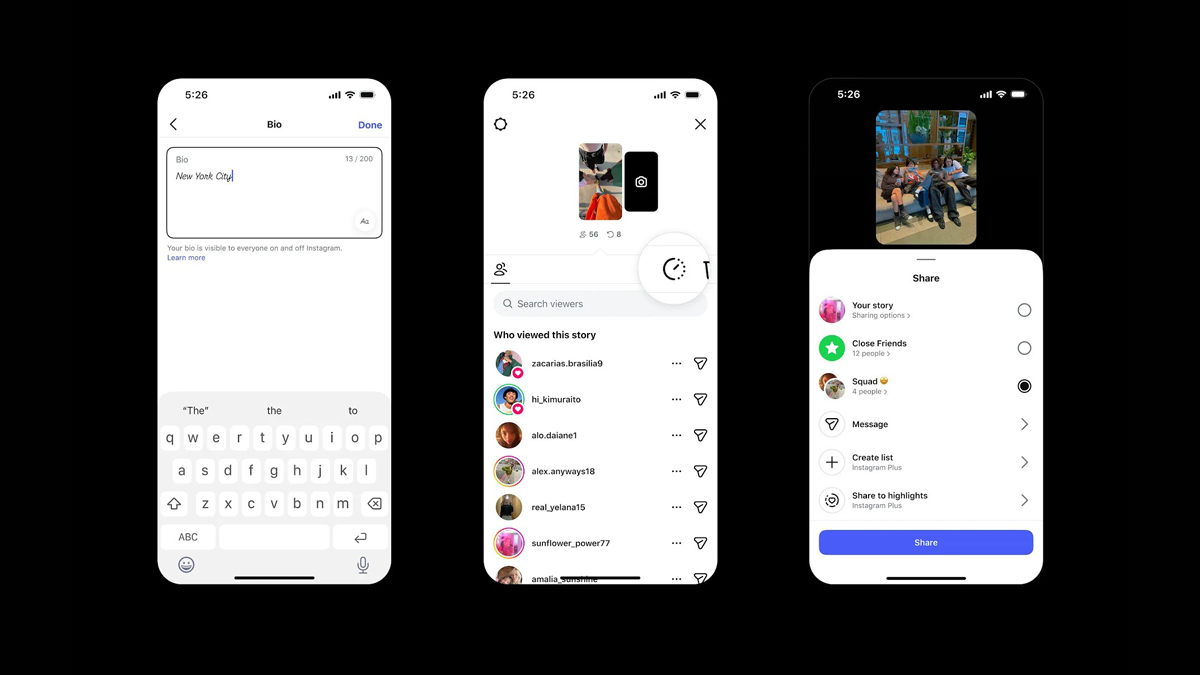
The second cluster is about intelligence. Story Preview lets subscribers browse stories without triggering a view notification, removing what the company delicately calls “the pressure to react.” Story Rewatch Insights shows how many times a story has been rewatched. Search Viewer List lets users quickly check whether a specific person has seen their story.
The third cluster is pure personalisation. Subscribers can choose a custom app icon from a curated selection designed by Instagram and independent creators, customise the font of their profile bio, pin up to six posts to their profile rather than the standard limit, and post directly to their profile or highlights without the content appearing in friends’ feeds.
Instagram says the free version is not changing and will always remain free. Instagram Plus is positioned as an upgrade for users who want greater control, deeper analytics and premium aesthetic options.
The subscription is rolling out globally from today. More features are promised in the coming months.
For Meta, the move follows a broader industry drift towards subscription revenue as a hedge against advertising volatility. For Instagram’s most devoted users, the features on offer will feel tailor-made. For everyone else, the free app remains exactly as it was. The question now is how many people decide that more is worth paying for.